Creating a comfortable and productive home workspace is essential in today’s world, where many of us spend a significant amount of time working from home. An organized and thoughtfully arranged workspace can improve focus, reduce stress, and increase efficiency. Whether you have a dedicated office room or just a corner of your living space, applying effective strategies can transform your work environment.
Why Organizing Your Workspace Matters
A cluttered, uncomfortable, or poorly designed workspace can lead to distractions, fatigue, and lower productivity. Conversely, a well-organized space promotes a clear mind, motivates you to stay on task, and supports your physical well-being. The goal is to create a zone that feels inviting and functional, tailored to the unique demands of your work.
Assess Your Current Workspace
Before making changes, take a moment to evaluate your existing setup:
– Is your desk cluttered or tidy?
– Do you have easy access to your most-used items?
– Is your seating comfortable and supportive?
– How is the lighting?
– Are there distractions nearby?
Answering these questions will help you identify areas that need improvement.
Declutter: The First Step to Better Organization
Start by removing unnecessary items from your workspace. Clutter can increase stress and make it hard to find what you need.
– Clear your desk: Only keep essentials like your computer, a notebook, pens, and a few personal items.
– Organize supplies: Use drawer dividers, small containers, or desk organizers for pens, paperclips, and sticky notes.
– Digitize documents: Reduce paper clutter by scanning important documents and storing them digitally.
Optimize Your Desk Layout
Arrange your desk to prioritize comfort and efficiency.
– Place your monitor at eye level: This prevents neck strain. Use a stand or stack books if necessary.
– Keep frequently used items within arm’s reach: Avoid unnecessary movements that break concentration.
– Use vertical space: Shelves, wall organizers, or pegboards can store items without cluttering your desktop.
Invest in Ergonomic Furniture
Comfort is key for long work hours.
– Choose an adjustable chair: It should support your lower back and allow your feet to rest flat on the floor.
– Consider a sit-stand desk: Alternating between sitting and standing can reduce fatigue.
– Position your keyboard and mouse properly: Keep them close and at a height where your arms are parallel to the floor.
Enhance Lighting for Reduced Eye Strain
Good lighting reduces fatigue and keeps you alert.
– Utilize natural light: Position your desk near a window if possible, but avoid glare on your screen.
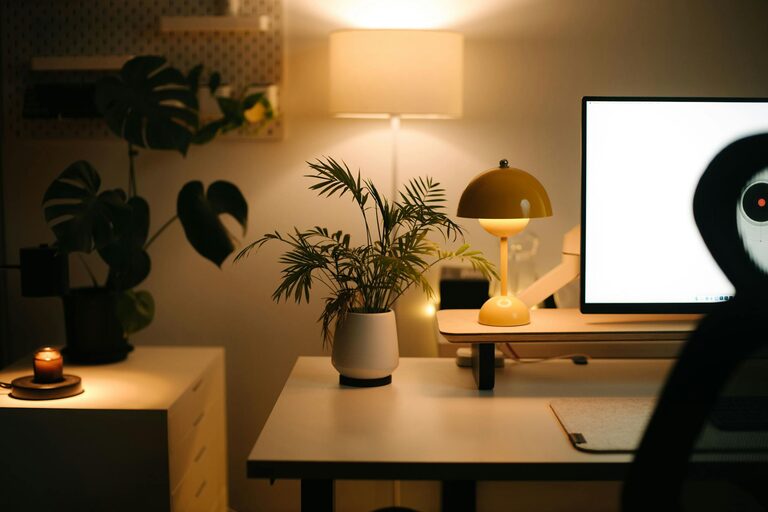
– Add a desk lamp: Adjustable lamps help illuminate your workspace during darker hours.
– Choose daylight bulbs: These bulbs mimic natural light and promote alertness.
Create Zones for Different Activities
If space allows, design your home workspace with zones for specific tasks.
– Work zone: Your desk area with the computer and office supplies.
– Planning zone: A whiteboard, calendar, or bulletin board for managing tasks.
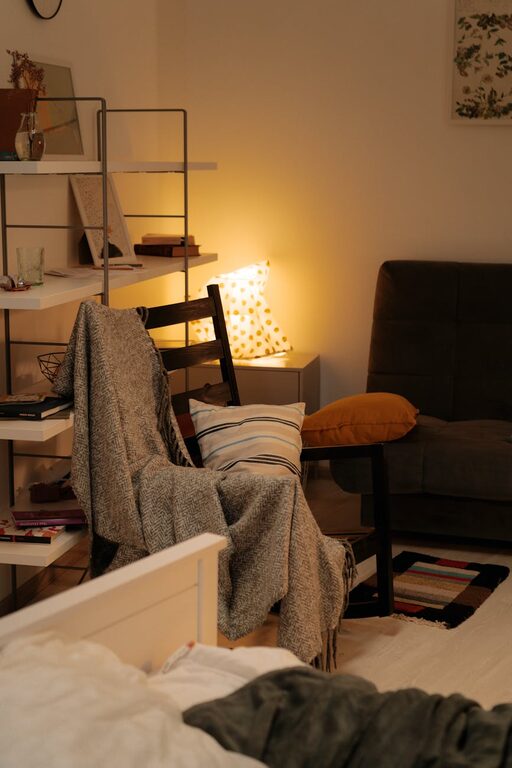
– Break zone: A small comfortable chair or corner where you can step away briefly to recharge.
Manage Cables and Tech Clutter
Tangled cables can be distracting and make your workspace look messy.
– Use cable clips or sleeves to bundle wires.
– Label cords to quickly identify each device.
– Keep charging stations organized and off your main desk surface if possible.
Personalize Your Workspace Mindfully
Adding personal touches can make your space inviting without causing distractions.
– Display a few photos or artwork that inspire you.
– Incorporate plants to improve air quality and add a calming effect.
– Use calming colors in your decor to create a relaxing atmosphere.
Maintain Your Organized Workspace
Organization is an ongoing process.
– Set a daily or weekly routine to tidy up your desk.
– Reassess your setup periodically to ensure it continues to meet your needs.
– Avoid letting clutter build up by regularly purging unnecessary items.
Final Thoughts
Organizing your home workspace is a worthwhile investment that can enhance your productivity and comfort. By decluttering, optimizing your layout, considering ergonomics, improving lighting, and personalizing your environment thoughtfully, you create a space where work feels more manageable and enjoyable. Remember, the best workspace is one that suits your unique workflow and supports both your professional and physical well-being.
About the Author